

911 Wellness offers Northern Illinois’ First Responder community the best mental health clinicians in the business. Our team has vast experience and endless compassion, helping individuals, couples, groups, and teams find answers to mental health challenges.
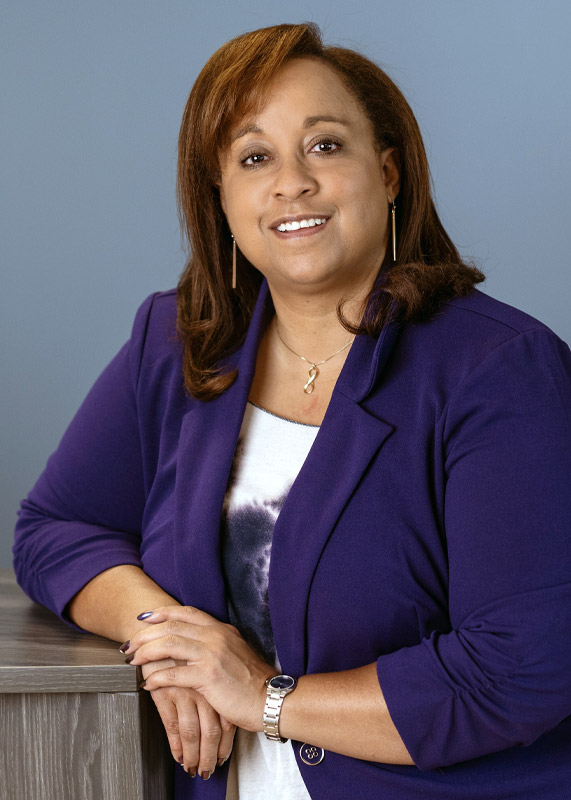
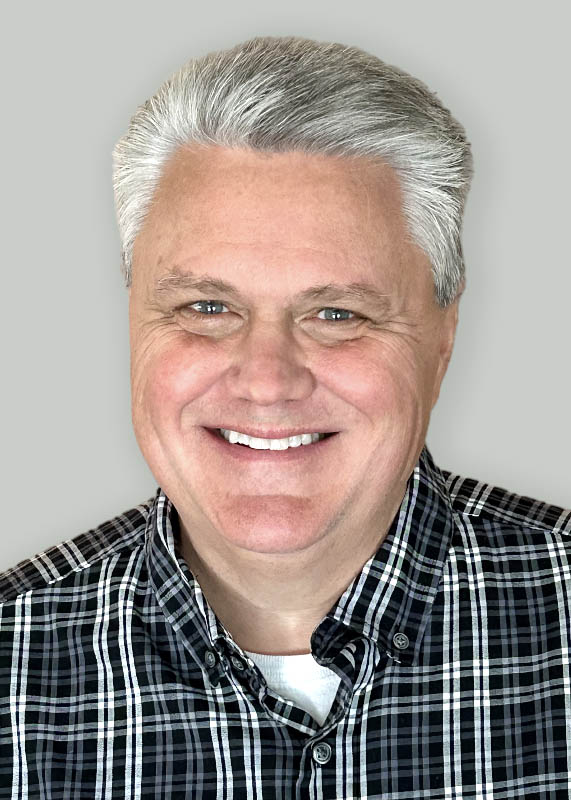
Dr. Mike Davison is a licensed clinical psychologist with extensive expertise in forensic and public safety psychology. Since 1996, he has been teaching at the graduate level in Forensic and Public Safety Psychology while maintaining an active clinical and consulting practice that integrates academic theory with practical application. Dr. Davison has conducted comprehensive forensic evaluations for civil, family, and criminal court cases, addressing issues such as violence risk, competency, custody, and treatment needs. He has provided expert testimony in state and federal courts and consulted with police, fire, probation, and corrections departments, offering operational support and specialized expertise in public safety psychology. His work includes complex evaluations addressing issues such as violence and risk assessment, competency, custody, and treatment needs. He has also provided expert testimony on numerous occasions in both state and federal courts, offering critical insights to aid judicial decision-making. Additionally, he has served as a consultant to area police departments, fire departments, probation departments and corrections professionals. offering his expertise in public safety psychology and operational support. His clinical services extend to first responders and their families, focusing on occupational stress, trauma, and resilience.
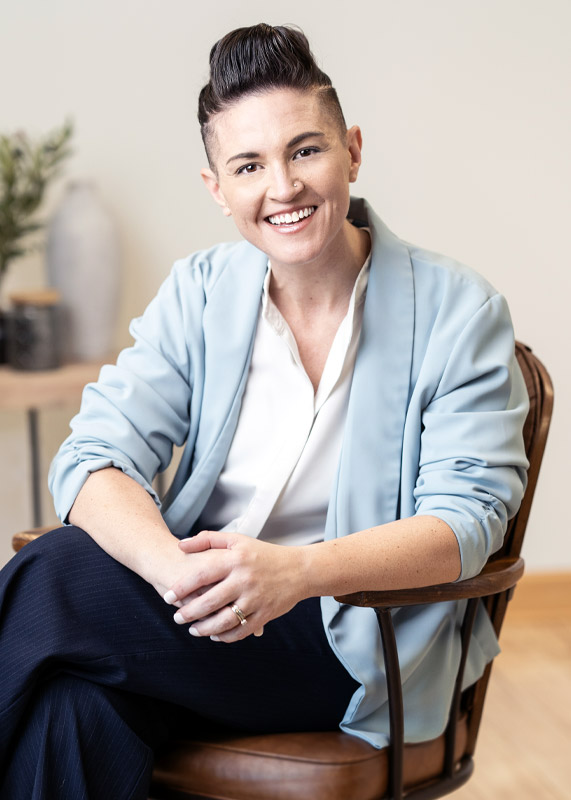
Danielle Mains is a licensed professional counselor and holds a Master’s degree in Clinical Mental Health Counseling, specializing in crisis and trauma from Walden University. She believes in individuals’ inherent resiliency and capacity for growth and healing.
Danielle prides herself in empowering clients to overcome obstacles, cultivate self-awareness, and live fulfilling lives aligned with their own values. As a spouse of an Army veteran and medically retired firefighter/paramedic, she brings a unique perspective to her counseling practice, which has been shaped by witnessing the challenges faced by first responders, veterans, and their families, both on the job and at home. These experiences have fueled her passion for mental health advocacy and led her to pursue a career in counseling.
Danielle provides individual counseling through a trauma-focused CBT lens, emphasizing the connection between thoughts, emotions, and behaviors while using EMDR to help clients harness their brains’ natural healing powers to heal trauma. She works collaboratively with clients who struggle with trauma, anxiety, depression, compassion fatigue, burnout, codependency, ADHD, and PTSD.
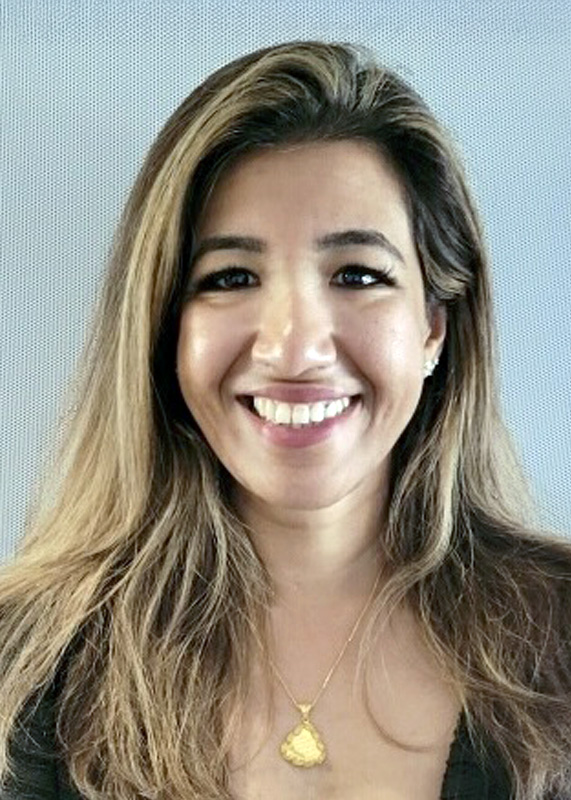
Dr. Sara Khan is currently a psychologist resident. She graduated with a Doctor of Psychology (Psy.D.) in clinical forensic psychology from The Chicago School of Professional Psychology, Los Angeles Campus. Her clinical experience consists of working with underserved populations, specifically at-risk youth and incarcerated adults. She began her training with children in after-school programs in South-Central Los Angeles and completed her pre-doctoral internship at forensic psychological private practice in Orange, California. During her pre-doctoral internship, she provided risk assessments, psychological, and neuropsychological assessments. In addition, she provided individual, family, and cognitive behavioral group therapy.
She then continued her training and completed her post-doctoral residency at a private practice in Chicago, Illinois conducting psychotherapy and assessments for children, teens, and adults. She took a special interest in working with first responders, providing diagnostic clarifications through comprehensive assessments and treatment recommendations. In addition, Dr. Khan is well versed in provided school-based evaluations for IEP/504 plans.
Throughout Dr. Khan’s training, she has gained valuable experience in working with various populations in working with diverse populations, as this has shaped her therapeutic approach. Dr. Khan’s therapeutic training includes Cognitive Behavioral Therapy (CBT), Dialectical Behavioral Therapy (DBT), and Acceptance and Commitment Therapy (ACT).

Ashley Smith is a Licensed Clinical Social Worker with a master’s degree in social work from the University of Illinois at Chicago, specializing in Mental Health. She is also a Certified Alcohol and Drug Counselor (CADC) with over a decade of experience supporting individuals and couples, through life’s most difficult and meaningful moments — including struggles with anxiety, depression, addiction and recovery, relationship challenges, codependency, and major life transitions.
Ashley is a compassionate and dedicated to walking alongside individuals as they navigate life’s challenges and transitions. She strives in creating a welcoming, supportive, and nonjudgmental space where clients can feel truly seen and heard. She believes in the resilience and inner strength each person carries, even when it feels out of reach. Her work centers on guiding people to reconnect with their authentic selves, uncover their confidence, and embrace meaningful growth and healing.
In her work with couples, she helps partners better understand the patterns that keep them feeling disconnected, while fostering safer, more emotionally secure conversations. Her emotionally attuned approach invites couples to learn how to strengthen trust, improve communication, rebuild intimacy, and move from conflict and distance toward deeper connection and partnership.
Ashley’s therapeutic approach is integrative, weaving together evidence-based practices to support clients in restoring a sense of safety, agency, and empowerment in their lives. Above all, she believes in the healing power of genuine connection, understanding, and compassionate care.
VA Experience
I’ve spent part of my career working alongside veterans and their families as they faced some of life’s toughest challenges — from homelessness and mental health struggles to complex life transitions. During that time, I provided crisis support, led therapy groups, and collaborated closely with interdisciplinary teams and community partners to help connect people with vital resources like housing, food, and mental health services. I was privileged to support residential programs through care planning, program coordination, and house management, always aiming to create a safe, supportive space for those navigating difficult seasons. It was truly an honor to work beside individuals who have dedicated their lives and careers in service to our country.
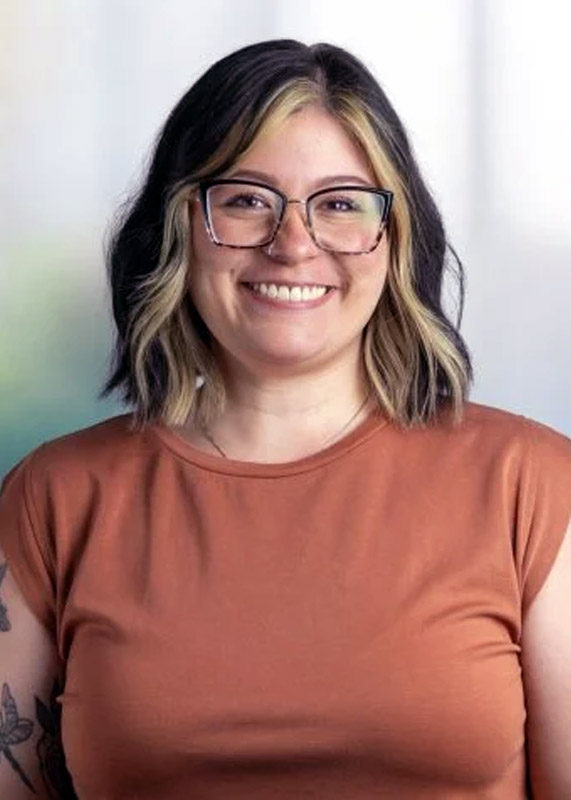
Tedra Tado is a Licensed Clinical Professional Counselor and Certified Rehabilitation Counselor. Tedra has extensive experience working with first responders, military service members, veterans, and individuals navigating trauma, anxiety, depression, grief, burnout, and life transitions.
Prior to joining 911 Wellness, Tedra worked as a Vocational Rehabilitation Counselor with the U.S. Department of Veterans Affairs, where she supported veterans through complex mental health and life challenges. She has also provided therapy in private practice with a strong focus on serving law enforcement officers, firefighters, EMS personnel, dispatchers, corrections professionals, and their families. Coming from both a military and law enforcement family, Tedra has a personal understanding of the unique culture, sacrifices, and challenges these professions bring. Combined with her clinical experience, this background has given her a deep appreciation for the cumulative stress, resilience, and strength required of those who serve others.
Her therapeutic approach is warm, compassionate, and direct, tailored to each client’s unique needs. Tedra incorporates Eye Movement Desensitization and Reprocessing, Cognitive Behavioral Therapy, Acceptance and Commitment Therapy, Dialectical Behavior Therapy, mindfulness-based interventions, somatic approaches, and person-centered therapy to help clients process trauma, strengthen resilience, and achieve meaningful, lasting change. In addition to traditional psychotherapy, Tedra is a LENS Neurofeedback Provider and incorporates nervous system regulation strategies when clinically appropriate.
Whether someone is processing a critical incident, struggling with the effects of chronic stress, or simply feeling overwhelmed by life’s many challenges, Tedra strives to help clients reconnect with their strengths, restore hope, and move forward with greater confidence and resilience.